
Stories, Secrets, and Self-Authorship
The Sky Is EverywhereThis flow traces Lennie’s growing awareness that family history is made of competing accounts and that she can choose how to tell her own life.
increasing Bearing strength in each event
 decreasing
Bearing strength in each eventdecreasingThe Explorer Narrative
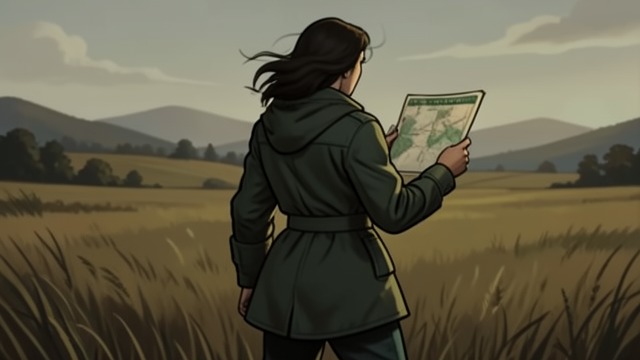
The Explorer Narrative
A hopeful family account
Gram describes Paige as someone driven toward the world, not away from her family. Lennie and Bailey use this story to imagine their absent mother’s life.
A story with limits
The account offers meaning and comfort but leaves out the painful circumstances of Paige’s departure. Its protective purpose becomes clear only later.
Bailey’s Unwritten Chapter
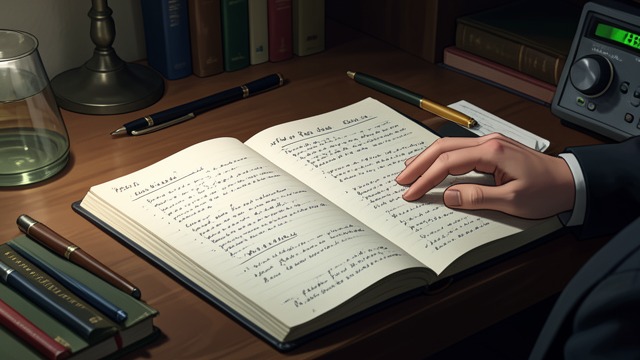
Bailey’s Unwritten Chapter
A private plan
Bailey searches for Paige without telling Lennie. Her notebook reveals a part of her sister’s life that Lennie could not see while Bailey was alive.
Love without total knowledge
The discovery challenges Lennie’s belief that closeness means knowing everything. A loved person can keep secrets and still remain deeply connected.
The Real Paige
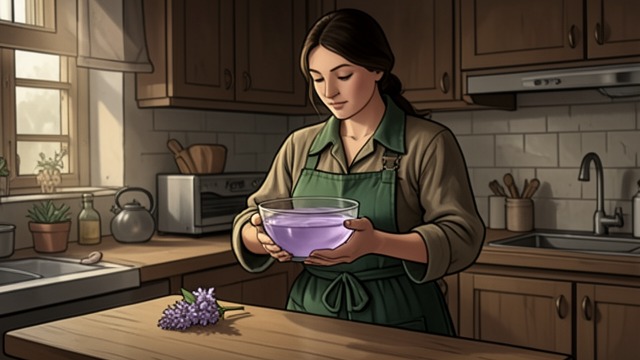
The Real Paige
Myth meets detail
The letters reveal Paige as someone who loved lilacs and cooked, adding ordinary habits to the image of an explorer. These details make her more vivid and more difficult to excuse.
A painful interpretation
Lennie begins to understand that the family story has protected her from feeling abandoned. She must decide how to hold both affection and anger toward a mother she never knew.
Many Truths at Once
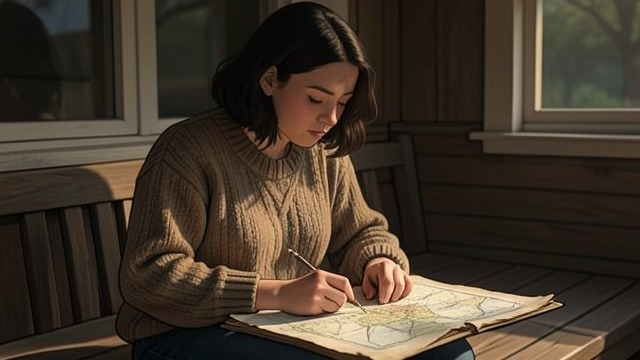
Many Truths at Once
The story complicated
Gram explains that the restless-gene account was not wholly invented, but it also helped her avoid blame. Paige’s departure can be both part of a family pattern and a choice with consequences.
A changed family account
Lennie accepts that no single explanation contains the whole past. Their conversation makes room for regret, love, anger, and uncertainty together.
A Story Chosen

A Story Chosen
Lennie claims authorship
Lennie understands that she can shape how she tells her own story. She stops seeing herself only as Bailey’s shadow or as a passive character in family history.
A future in her own voice
Her decision to play, challenge for first chair, and write directly to Joe puts self-authorship into practice. The story remains messy, but it belongs to her.
During the sisters’ childhood
After Lennie discovers Bailey’s search materials
After Lennie reads Gram’s letters
During Lennie and Gram’s conversation about Paige
Near the end of the summer
